


World news astrology examines global events through planetary cycles and collective astrological themes. As military conflicts, trade shifts, and social unrest unfold, astrology offers context for understanding why certain tensions rise simultaneously across the world. Below, we explore current global stories and the broader astrological patterns influencing collective energy this month..

A sovereign nation is defined as a country with a centralized government that governs a specific territory. An example of this is Greenland. According to international law, a sovereign nation must have a defined area, a permanent population, and the capacity to engage in relations with other nations. While many sovereign nations are widely recognized, some smaller ones remain relatively unknown.
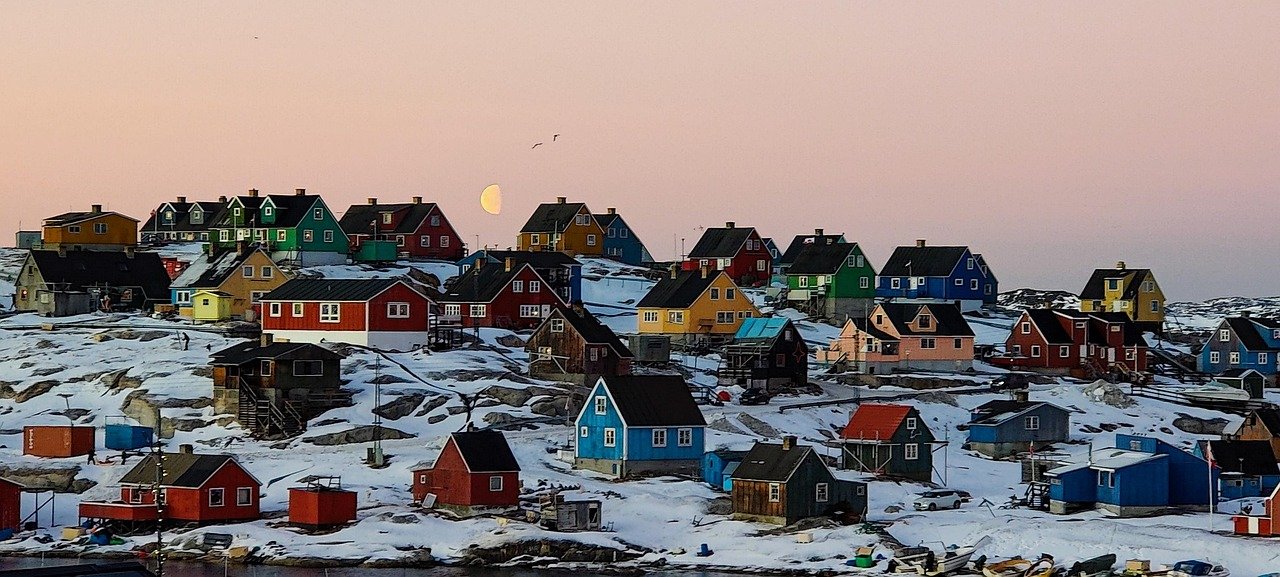
In early 2026, U.S. President Donald Trump has once again ignited global discussion by renewing his interest in Greenland — the world’s largest island, an Arctic territory with deep strategic and economic significance. Long a topic of curiosity in U.S. political discourse, Trump’s latest comments and policy actions have brought the issue to the forefront once more, drawing responses from international leaders, NATO allies, and the people of Greenland themselves.
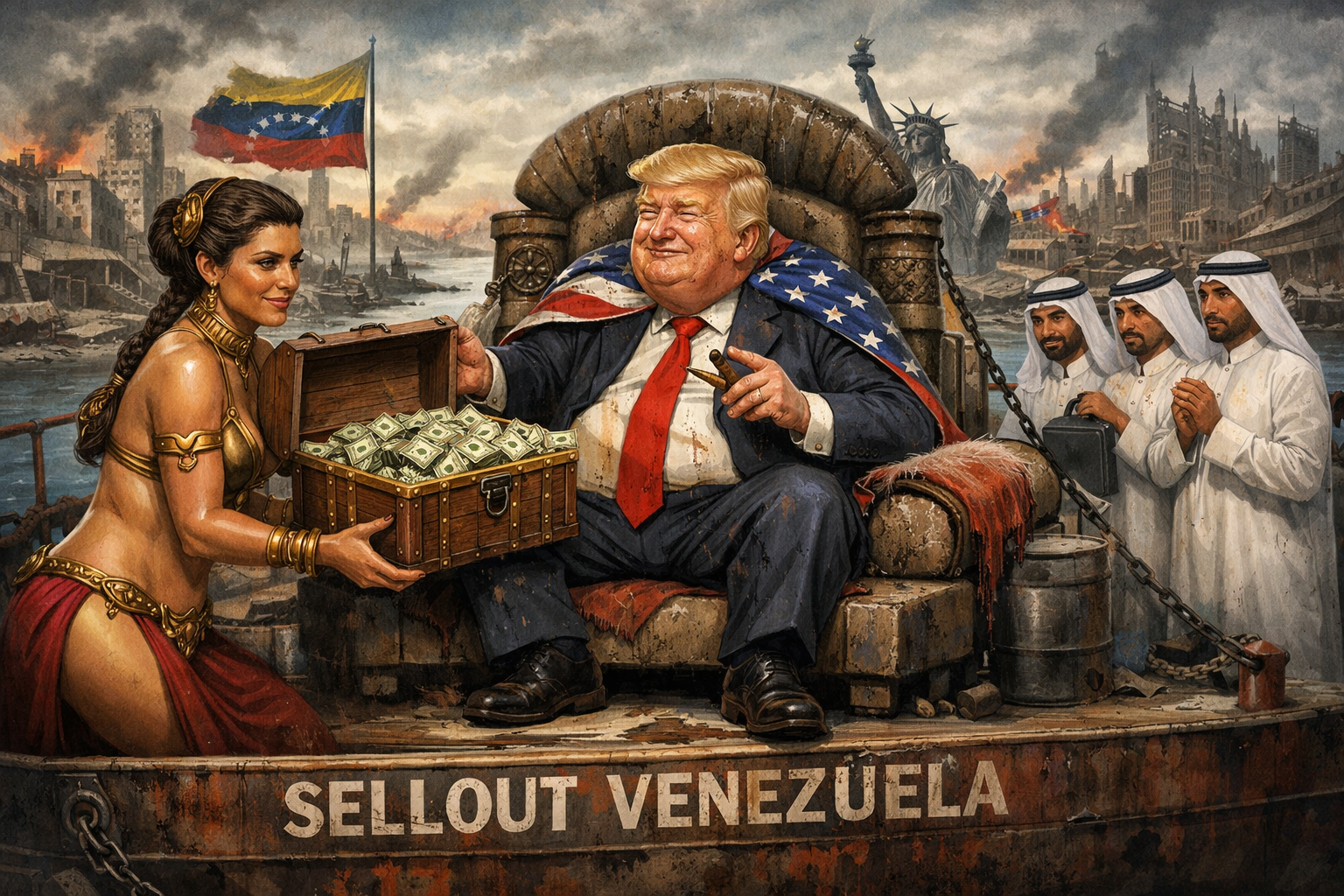
Recent developments involving Venezuelan oil sales, U.S. oversight, and international banking have drawn global attention. At the center of the discussion is a decision to hold proceeds from Venezuelan oil exports in foreign financial institutions rather than directly within Venezuela or the United States. The arrangement has raised legal, political, and economic questions that continue to ripple across international markets.

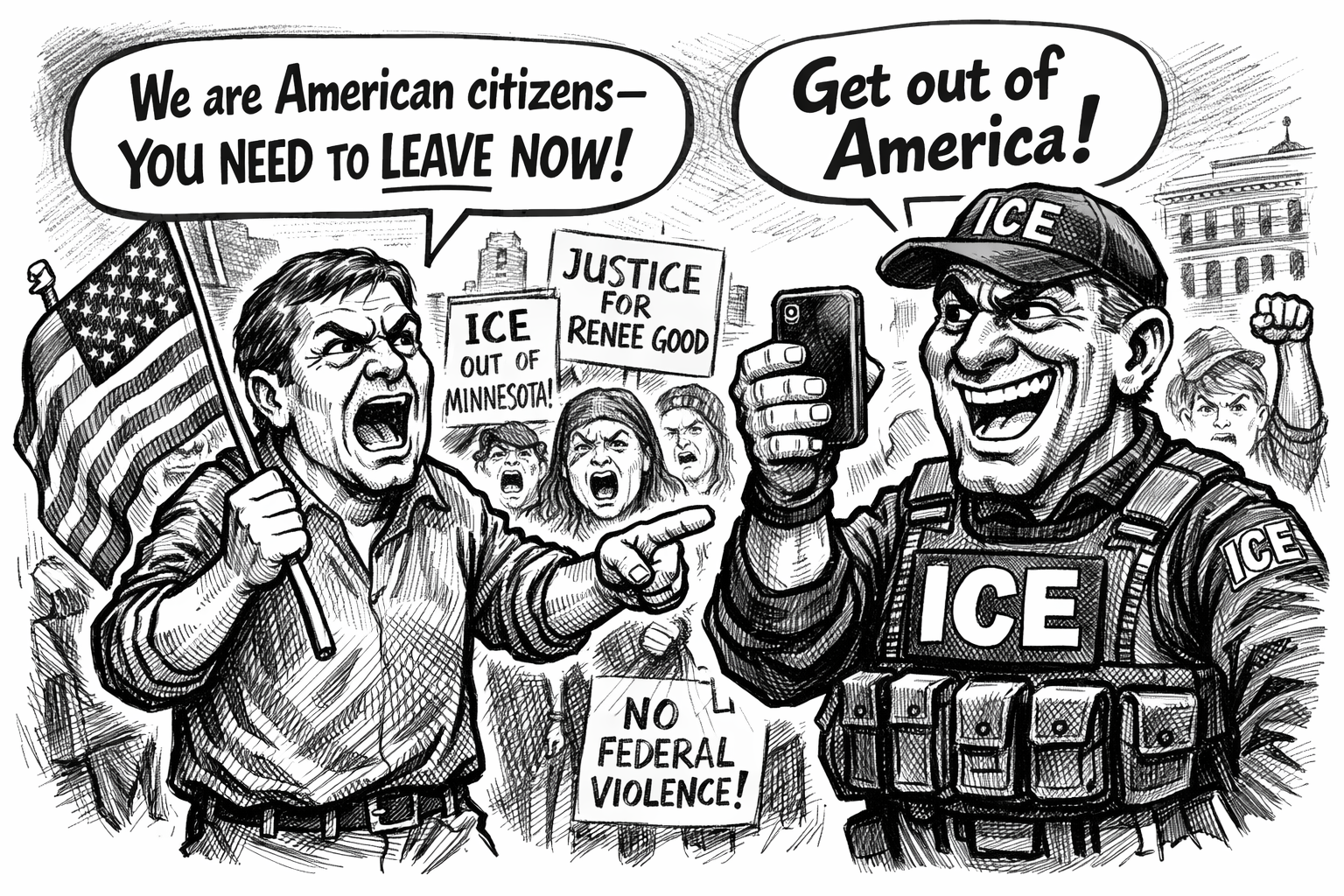
Public outrage in Hennepin County following the killing of Renee Good reflects intense collective emotional energy. In world news astrology, moments of social unrest often coincide with planetary transits tied to anger, grief, and demands for accountability. This section examines the broader emotional climate surrounding the event without predicting outcomes.

In early 2026, U.S. President Donald Trump has once again ignited global discussion by renewing his interest in Greenland — the world’s largest island, an Arctic territory with deep strategic and economic significance. Long a topic of curiosity in U.S. political discourse, Trump’s latest comments and policy actions have brought the issue to the forefront once more, drawing responses from international leaders, NATO allies, and the people of Greenland themselves.
President Trump has publicly stated that he believes the United States should control Greenland, citing reasons related to national security and geopolitical competition. He has said the U.S. must ensure that rival powers such as Russia or China do not gain influence over the Arctic region.
In a series of statements, Trump described Greenland’s strategic location as essential to U.S. defense and has insisted that anything less than American control is “unacceptable.” These remarks have followed diplomatic meetings with Danish and Greenlandic officials, which reaffirmed that Greenland is not for sale and that decisions about its future rest with its own government and with Denmark.
To pressure support, the White House has announced tariffs on a number of European allies that oppose U.S. actions regarding Greenland, escalating diplomatic tensions with countries including Denmark, France, Germany, and the UK. European officials have condemned the tariff threats and reiterated that Greenland’s sovereignty must be respected.
Protests have erupted in Greenland’s capital, Nuuk, with thousands of citizens voicing their firm rejection of any proposal to transfer control to the United States. Residents and Greenlandic leaders have emphasized their right to self‑determination, stating clearly that Greenland is not for sale and that foreign pressure threatens their way of life and cultural identity.
Meanwhile, a bipartisan group of U.S. lawmakers has traveled to Denmark to reassure European partners that the United States supports NATO cooperation and does not intend to undermine alliances. These lawmakers expressed concern that coercive approaches to Greenland could damage long‑standing international relationships and legal norms.
Greenland’s importance goes beyond its vast size and population of around 57,000. Its Arctic position places it near key shipping routes, military outposts, and valuable natural resources — including rare earth minerals that are critical to modern technologies and defense systems. As climate change continues to open previously inaccessible Arctic waters, interest in the region’s strategic value has only grown among global powers.
Despite these factors, Greenlandic authorities have stressed that any future decisions about governance or partnerships must originate from within Greenland itself, in accordance with international law and respect for autonomy.

In recent weeks, musicians, dancers, and theater artists have withdrawn from scheduled performances at the Washington, D.C. venue, saying the renaming represents a politicization of art that contradicts the center’s mission as a unifying national memorial. Several cancellations have occurred abruptly, including high-profile performances slated for New Year’s Eve and later in the spring.
Artists who stepped away cited concerns about integrity, freedom of expression, and the transformation of a public cultural space into what they see as a monument to political ego rather than artistic excellence. One jazz ensemble stated that its work is meant to bridge divides — not legitimize actions that deepen them. Others were more direct, arguing that history itself was being rewritten to serve power.
Established by Congress in 1964 as a living memorial to President John F. Kennedy following his assassination, the Kennedy Center has long been regarded as politically independent — a space where art transcends ideology. That legacy is now under strain.
Earlier this month, a Trump-aligned board voted to rename the venue the Donald J. Trump and John F. Kennedy Memorial Center for the Performing Arts, a move critics say fundamentally undermines the purpose of a memorial created by federal law. The speed with which Trump’s name was added — including immediate website updates and overnight exterior signage — intensified accusations of power being exercised without transparency or public consent.
For many observers, the symbolism is troubling: a sitting president affixing his own name to a national institution dedicated to a fallen predecessor, without bipartisan agreement or public process.
Rather than acknowledging the concern, Kennedy Center leadership responded aggressively. Officials accused withdrawing artists of political intolerance and suggested that prior bookings reflected ideological bias. In one instance, the center threatened legal action seeking up to $1 million in damages from a musician who canceled a long-running holiday performance.
Free speech advocates argue that such threats reinforce fears of retaliation — precisely the concern several artists said influenced their decisions to withdraw.
“This is how authoritarian systems behave,” one arts nonprofit director said privately. “Punish dissent, intimidate critics, and demand compliance — even in cultural spaces.”
The controversy does not exist in isolation. Since Trump’s handpicked board elevated him to chair earlier this year, a steady exodus of respected cultural leaders has followed. Artists, producers, and administrators — including prominent figures from television, Broadway, and classical music — have resigned from advisory roles or canceled events, citing discomfort with the direction of the institution.
A major Broadway production also pulled a planned run, signaling that the damage may extend well beyond symbolic protest and into the center’s long-term reputation.
Trump has defended his leadership by pointing to renovations and restorations underway at the venue. But critics argue that physical upgrades do not justify what they see as an unprecedented act of self-aggrandizement.
Legal experts and lawmakers are now weighing in. Representative Joyce Beatty of Ohio, a trustee by statute, has filed a federal lawsuit challenging the renaming. She alleges procedural violations during the vote and described the rapid implementation as behavior “more commonly associated with authoritarian regimes than democratic institutions.”
Members of the Kennedy family have also condemned the move. Joe Kennedy III publicly stated that the center’s designation as a memorial is protected by law and cannot be rebranded at the whim of political power.
At its core, the controversy raises a broader question: Who owns America’s cultural landmarks — the public, or those temporarily in power?
For critics, the attempt to rebrand the Kennedy Center represents something more troubling than a naming dispute. It is seen as part of a pattern in which democratic norms are tested, institutions are personalized, and dissent — even from artists — is met with hostility.
As cancellations continue, lawsuits advance, and public outrage grows, the Kennedy Center now stands not just as a stage for performance, but as a battleground over history, power, and the role of art in a free society.
Recent developments involving Venezuelan oil sales, U.S. oversight, and international banking have drawn global attention. At the center of the discussion is a decision to hold proceeds from Venezuelan oil exports in foreign financial institutions rather than directly within Venezuela or the United States. The arrangement has raised legal, political, and economic questions that continue to ripple across international markets.
Venezuela holds some of the largest proven oil reserves in the world, yet years of economic sanctions, political instability, and infrastructure decline have sharply limited its ability to export oil and access foreign currency. In response to humanitarian concerns and energy market pressures, the United States has at times allowed restricted oil transactions under specific conditions.
Under recent agreements, Venezuelan crude has been sold internationally with the proceeds placed into accounts managed under U.S. supervision rather than transferred directly to the Venezuelan government. According to officials, this structure is intended to prevent misuse of funds while allowing limited financial relief.
Rather than using U.S.-based banks or Venezuela’s domestic financial system, some of these oil proceeds are reportedly being held in accounts located in Qatar. Analysts note several reasons for this approach:
Legal insulation: Funds held in neutral jurisdictions may be less vulnerable to seizure by creditors pursuing longstanding claims against Venezuela.
Sanctions compliance: Offshore custody can reduce the risk of violating U.S. or international sanctions frameworks.
Operational flexibility: International banking hubs like Qatar are often used to manage sensitive, multilateral financial arrangements.
Supporters of the approach argue that it ensures accountability while maintaining access to funds for humanitarian or economic stabilization purposes. Critics, however, question whether holding state-related funds overseas weakens transparency and congressional oversight.
The arrangement has sparked debate in Washington and abroad. Some lawmakers and legal scholars argue that foreign-held accounts blur the lines of executive authority and could set a precedent for managing sovereign assets outside traditional oversight mechanisms. Others counter that extraordinary circumstances require unconventional financial solutions, particularly when dealing with sanctioned states and fragile economies.
Internationally, the situation highlights the growing role of intermediary nations in global finance, especially as geopolitical tensions increasingly shape where and how money can move.
The long-term destination of the funds remains uncertain. Portions may eventually be directed toward humanitarian aid, infrastructure repair, or currency stabilization, depending on future political agreements. At the same time, shifts in U.S. leadership, sanctions policy, or international energy demand could significantly alter the framework governing Venezuelan oil exports.
As global energy markets remain sensitive to political developments, the handling of Venezuela’s oil revenues will continue to be watched closely—not just as an economic issue, but as a signal of how international power, finance, and diplomacy intersect in an increasingly multipolar world.

In a milestone moment for global health, nations around the world are making unprecedented strides toward a future free of cervical cancer. According to recent reports, over 86 million girls in high-risk countries have now received the HPV vaccine, a preventive measure that dramatically reduces the risk of developing this deadly disease.
Cervical cancer, once one of the leading causes of cancer-related deaths among women, is largely preventable through vaccination and early detection. In countries where vaccination programs are well-established, incidence rates have already begun to decline significantly. Governments, community organizations, and global health agencies are expanding access to vaccines and screening programs, particularly in regions where the disease has historically had the greatest impact.
WHO officials describe this surge in vaccination coverage as a “turning point” in the fight against cervical cancer. With continued international collaboration, the global community is poised to achieve what was once considered an ambitious goal: eliminating cervical cancer as a major public health threat.
For the readers of Monthly Horoscope Hub, this progress resonates beyond medicine. It reflects a moment where collective action, knowledge, and compassion converge to create transformative change. In a world often filled with uncertainty, this achievement serves as a powerful reminder that coordinated efforts can reshape the future, protect lives, and inspire hope across generations.
Cervical cancer remains one of the leading threats to women’s health worldwide — yet it is largely preventable. The global rollout of the HPV vaccine is more than a medical achievement; it’s a victory for hope, empowerment, and collective action. Every vaccinated girl represents a life protected and a future where communities can thrive. This progress shows how knowledge, compassion, and cooperation can transform the world, one life at a time.
“Some promotions on this site highlight our own affiliated services.”